Real art. Real nature. Honest computation.
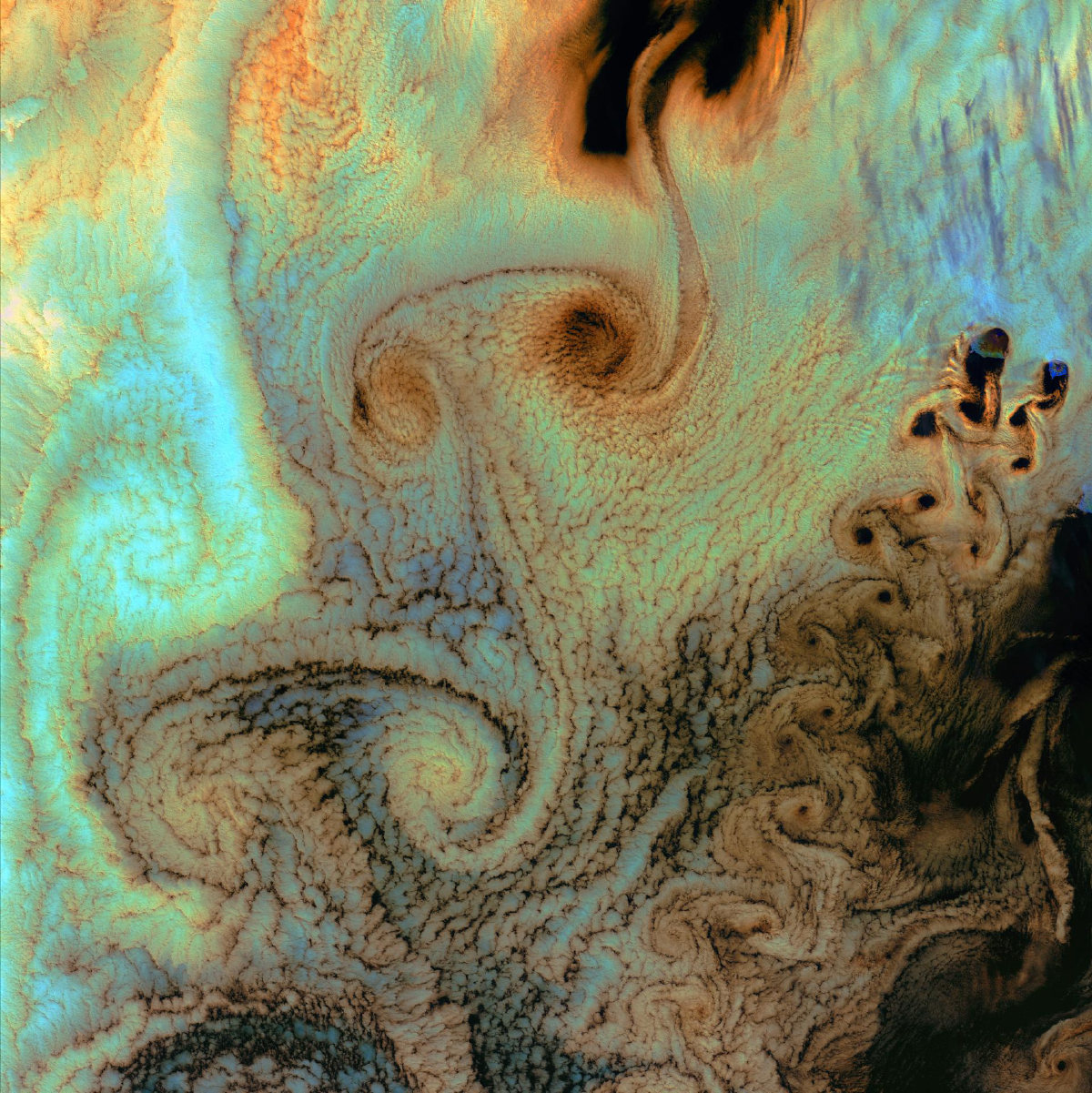
Shown before it is explained. Left is the credited source, untouched. Right is what Milo does with it — and the source is still the thing you are looking at.
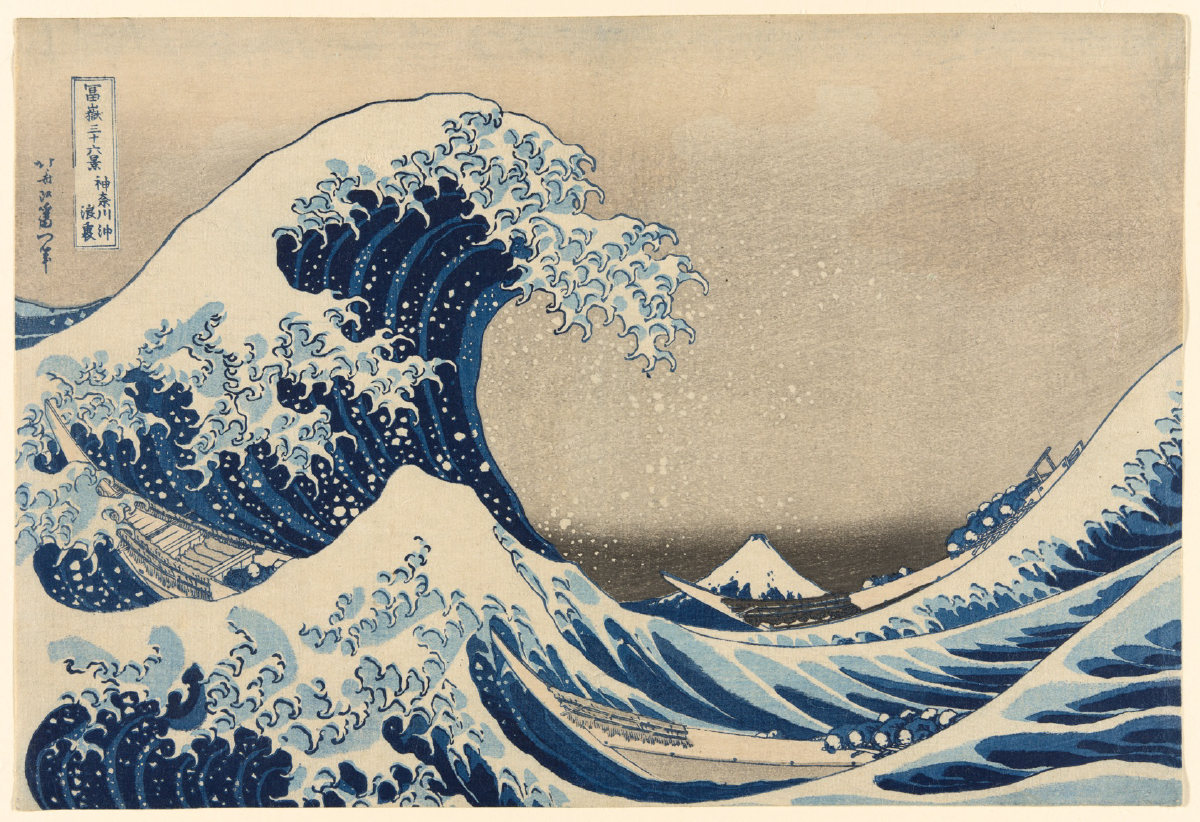
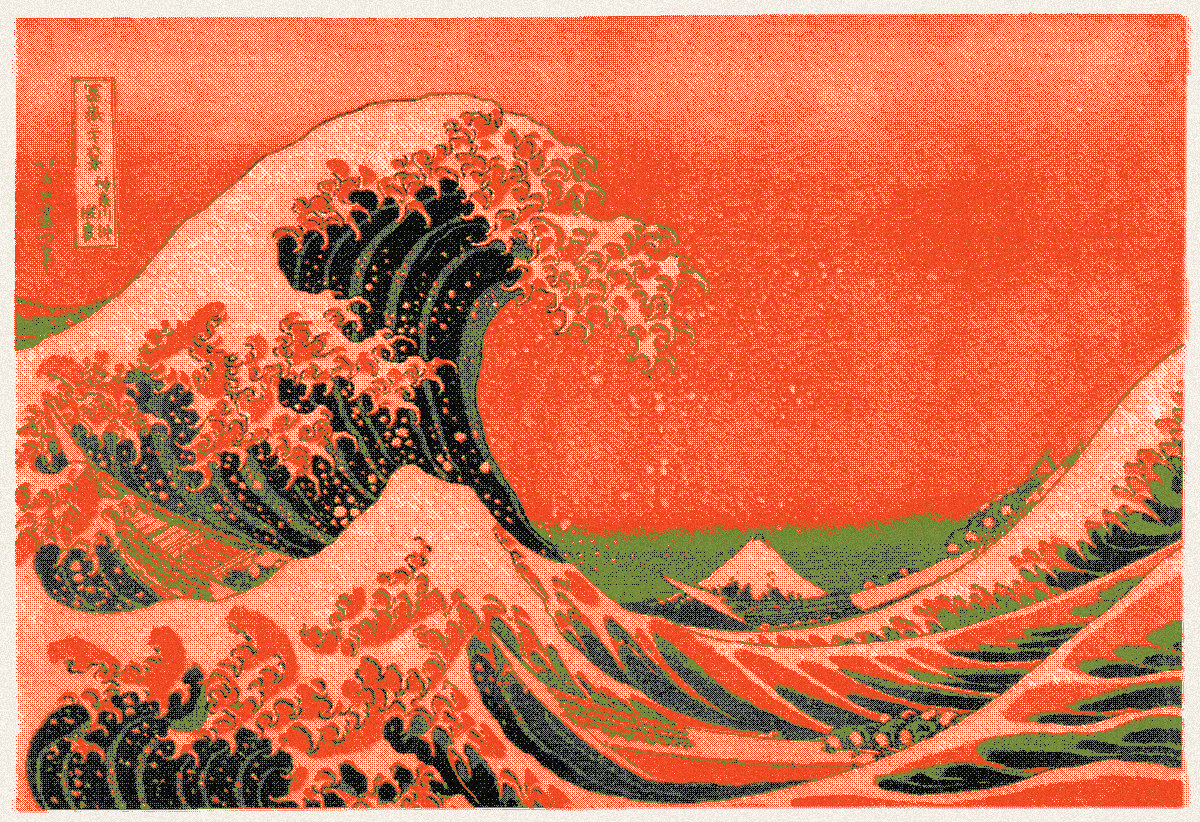
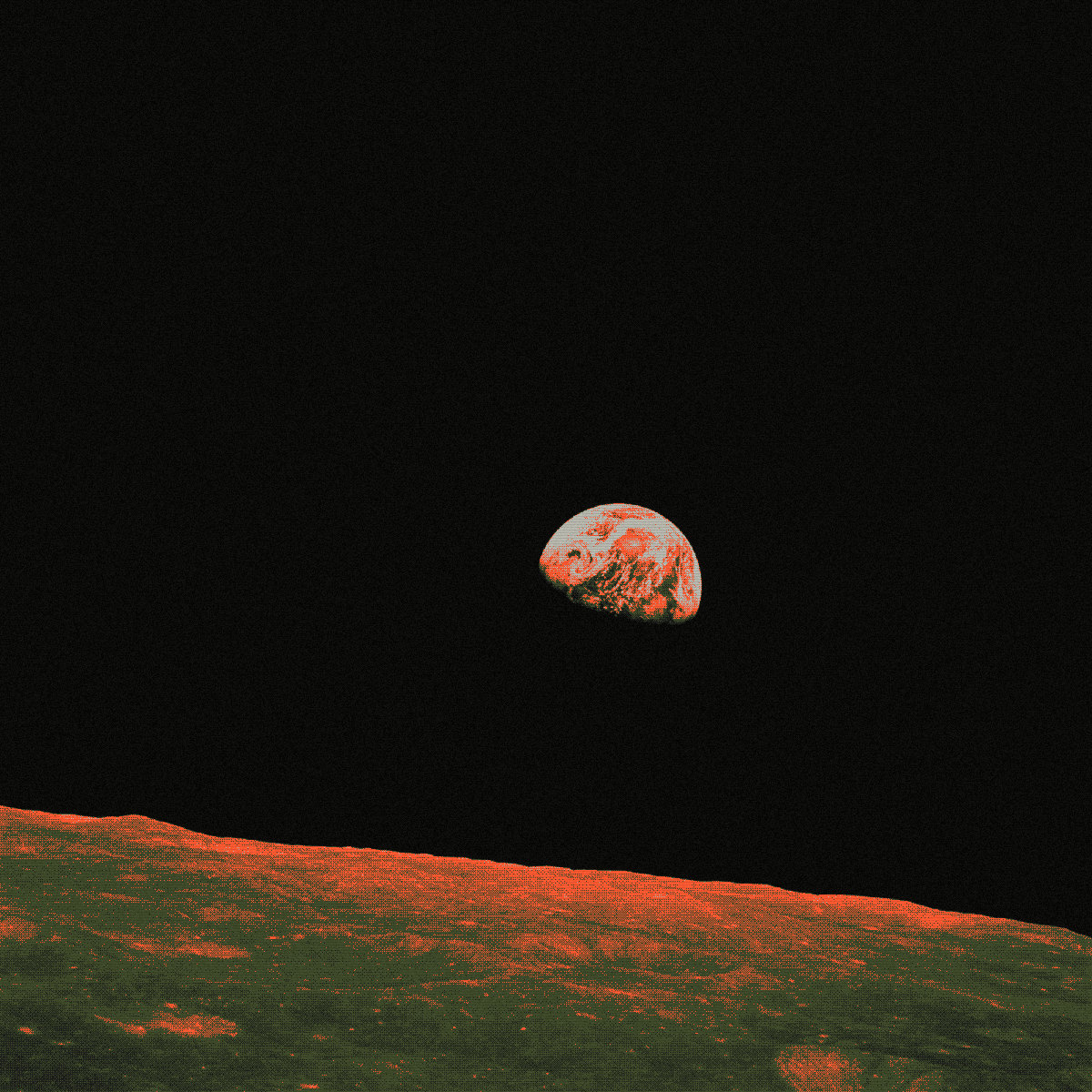
Both interpretations are rendered from the credited original by the packaged engine. Delete the derivative, re-run tools/render_derivatives.mjs, and the same pixels come back.
Sixty interpreted. Thirty original. Ten alive.
Sixty per cent interpreted does not mean sixty per cent orange. A Milo interpretation may keep ninety-five per cent of its source and still be unmistakably Milo.
Colour follows the same ratio, as a rule. About sixty per cent Milo inks, thirty the source's own colour, ten the colour that moves — and the page around the pictures is sixty ground, thirty structure, ten signal. 02.6 The colour rule
The abstractness scale
How far a treatment may go, named, so “more Milo” cannot mean “less readable”.
PRODUCT mostly 0–2 · EDITORIAL 0–4 · CAMPAIGN 1–5 · SYSTEM none. 33 Expression Levels
Legibility outranks style
A viewer should recognise the image first and notice Milo second — never decode the effect to work out what they are seeing.
- Recognition. Can I tell what this is at normal viewing size? If not, reduce the treatment.
- Emotional read. Does the source keep its atmosphere and its power? If not, change the recipe.
- Milo signature. Only once the first two hold does the signature get optimised.
Vermilion is the dominant brand colour. That is not the same as occupying most of the pixels: an image may be ninety per cent natural while one vermilion intervention carries the whole brand signal. Moss stays secondary. Recipes are judged at real interface sizes — a card, a thumbnail — not only full screen. evidence/image-legibility-audit.md
The alive layer
Print language — registration slips, pixel bands, a threshold flicker. Never VHS.
One animated image in view at a time; bursts under half a second, seconds apart; reduced motion draws the final frame only.
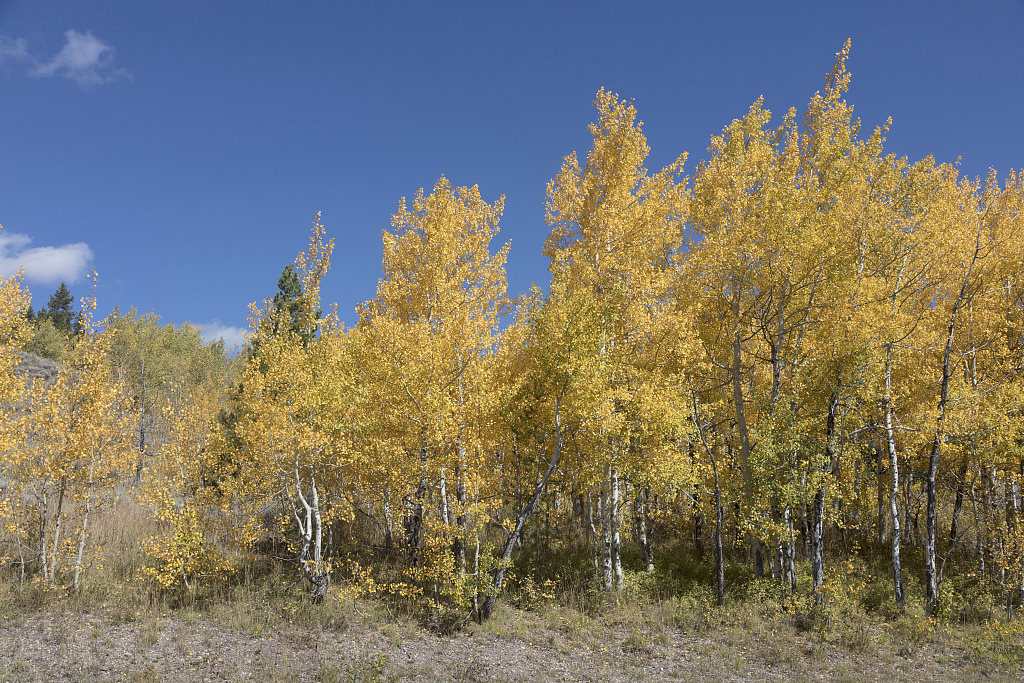
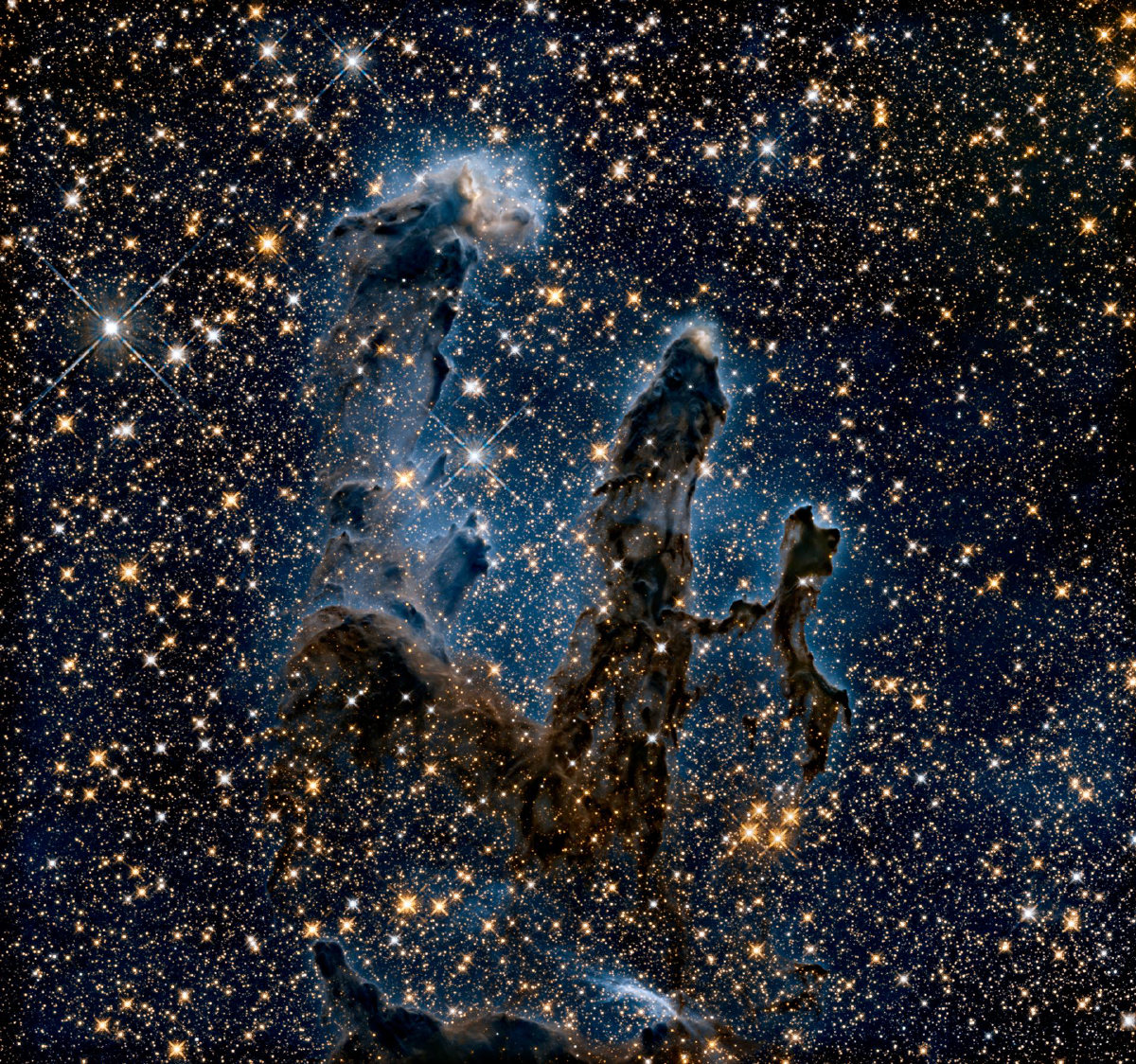
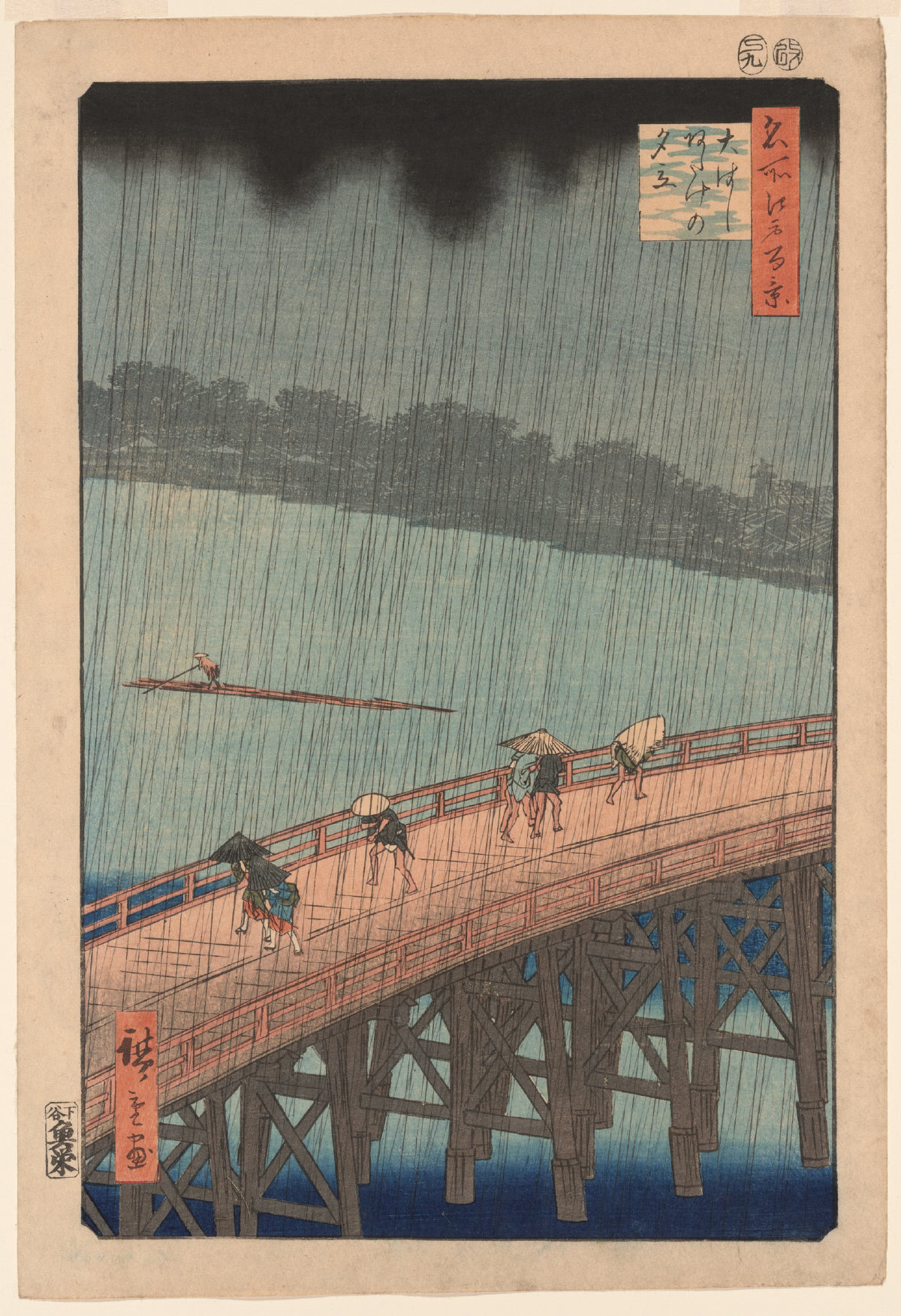
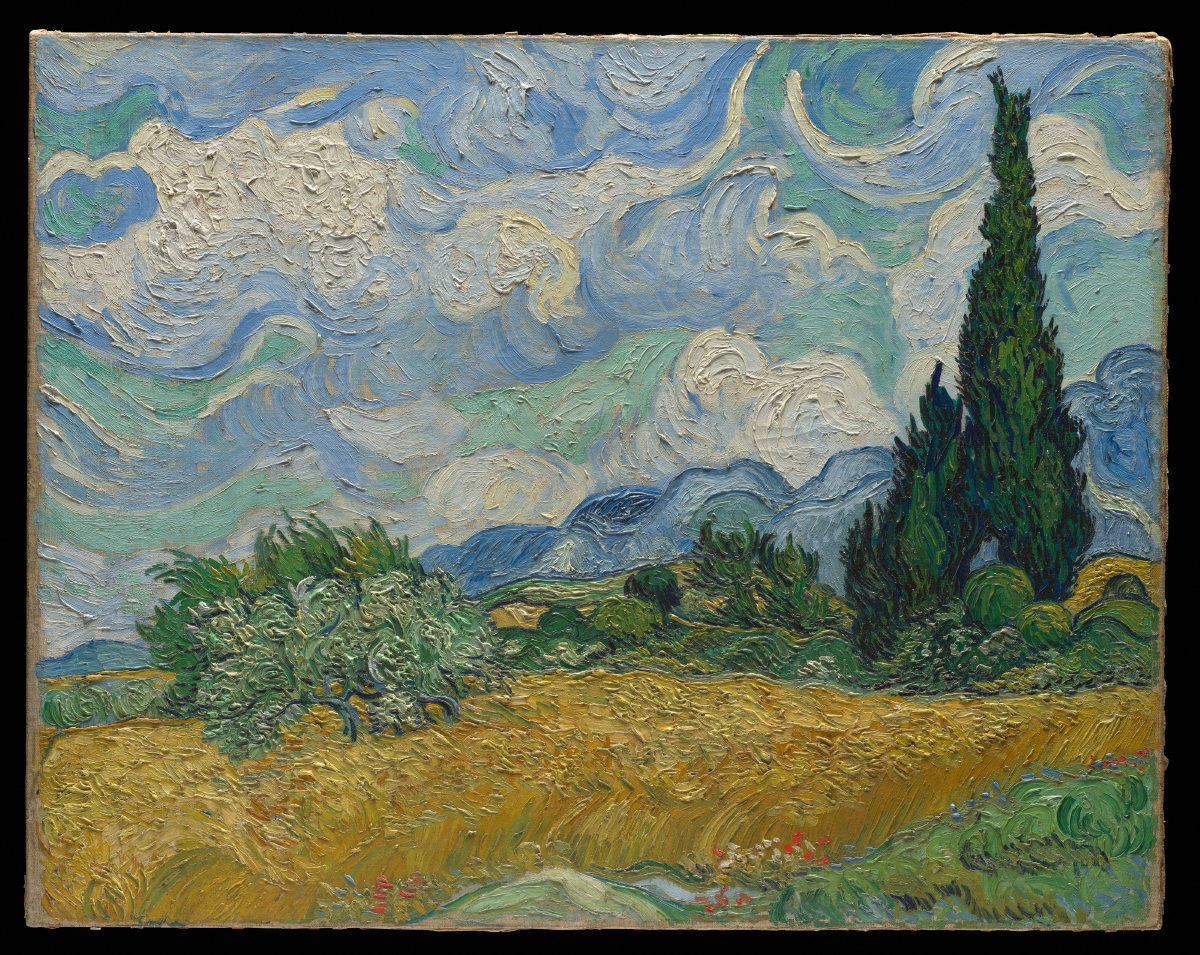
Hiroshige · AIC · Van Gogh · The Met · Highsmith · Library of Congress · NASA/ESA Hubble — all public domain; every frame here is computed live from the credited source.
One source. Five treatments. The photograph stays credited.
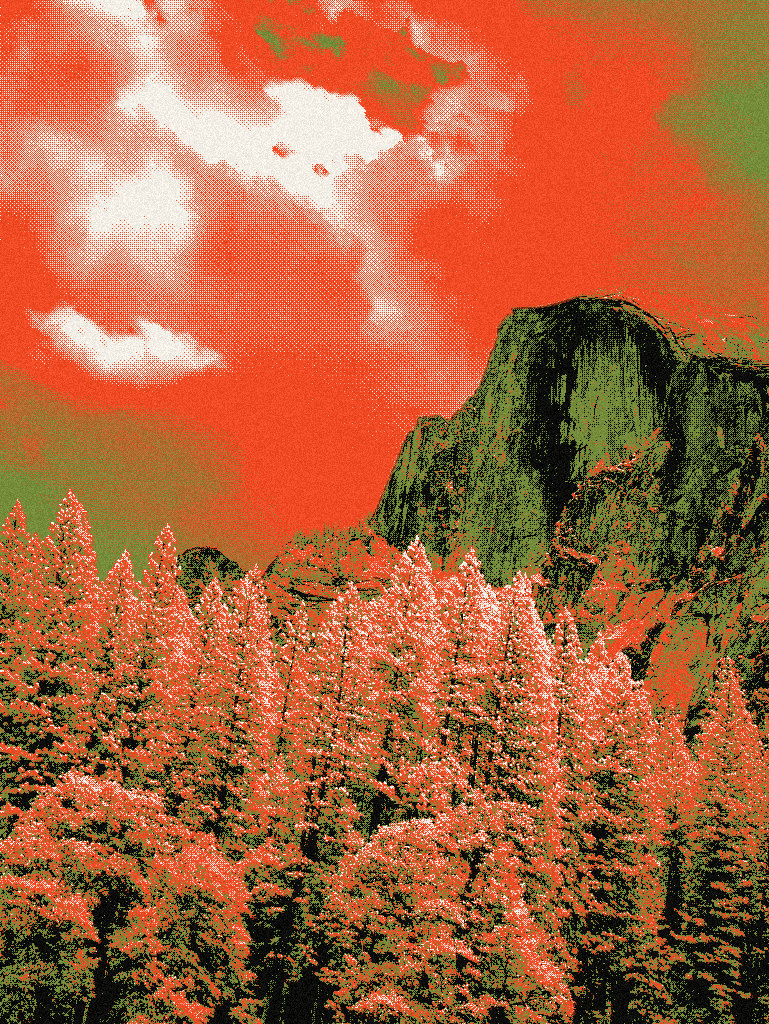
Black for shadow, Moss for chosen midtones, Vermilion as the dominant channel, cream as paper; each image treated on its own.
Black for the darkest values. Signal Moss for selected midtones. Milo Vermilion as the dominant chromatic and intervention channel. Cream as paper, light and negative space. Vermilion generally dominates Moss.
Where Vermilion and Moss may appear
- sky
- light
- water reflection
- print plate
- dither channel
- atmospheric wash
- annotation
- registration offset
- colour field
- occasional solar disc
- midtone separation
- land
- ecological layer
- system layer
Eleven named treatments.
National Park, Nous, Archive, Paint, Field Study, Sublime and Trace — each a plain config the engine takes unchanged, and each one mapped to a level on the abstractness scale.
Each strip is rendered live by the engine in this page: the original, a frame from the middle of the transition (t = 0.45), and the resolved output. The config shown is the exact object the engine receives.
Rendering…
No universal filter, no solar disc everywhere, no pretending a generated image came from the engine.
The rules
- Treat each image individually. Choose the recipe for the picture, not the page.
- Sources stay credible: Open Access art, authoritative nature archives, provenance on every file.
- The original is always reachable from the interpretation.
- One universal orange-green filter.
- A giant orange sun in every image.
- Fake Monets, fake Caravaggios, AI fantasy landscapes, wellness stock.
- Sourcing images that already look "Milo" and pretending the engine made them.
Almost still.
Nature may drift 2% over 24 seconds; paintings never animate like video.
Nature may move imperceptibly: a 2% scale over 24 seconds, no parallax, no spectacle. It should read as a photograph that happens to be alive. Paintings are never animated like cheap video; they get detail reveal, slow crop, light, dither transition. prefers-reduced-motion stops it entirely.